
🎁 10 FREE seeds with orders over $420 · Free shipping over $200 · Germination guaranteed
$65.00 – $240.00Price range: $65.00 through $240.00
Big Bud strain seeds grow the heavyweight of the classics: a three-way cross of Afghani, Skunk #1 and Northern Lights that has been bred for one thing since the 1980s, weight. It is an indica dominant plant of around 80/20 that tests 15% to 20% THC, finishes in 7 to 9 weeks and produces 500 to 650 g/m² indoors, with colas big enough to snap their own branches. The flavour is sweet, earthy and a little spicy, and the effect is a calm, happy body high. Our feminized seeds are already in Canada, shipped from Vancouver in 3 to 7 business days.

| Pack Size | Price | Quantity | |
|---|---|---|---|
| 5 Seeds | $65.00 | ||
| 10 Seeds | $120.00 | ||
| 25 Seeds | $240.00 |
Viability-tested seeds. If they don’t pop following our germination guide, we replace them.
Encrypted SSL checkout. Your card statement shows a neutral company name, never cannabis.
Ships from Vancouver, BC in 3 to 7 days, plain packaging with no cannabis branding.
Live chat 7 days a week, plus growing guides written for Canadian climates.
| Genetics | Afghani x Skunk #1 x Northern Lights |
|---|---|
| Type | Indica dominant (about 80/20) |
| THC | 15%–20% |
| CBD | 0.1%–1% |
| Flowering time | 7–9 weeks (50 to 63 days) |
| Outdoor harvest | Late September to early October |
| Height indoor / outdoor | 80–130 cm / up to 150 cm or more |
| Yield indoor / outdoor | 500–650 g/m² / 600–800 g per plant |
| Difficulty | Easy |
| Climate | Warm and sunny; tolerates cool nights; needs branch support late in flower |
| Best for | Maximum weight, first grows, relaxed evenings |
Big Bud Feminized at a glance: Big Bud is an 80/20 indica dominant cross of Afghani, Skunk #1 and Northern Lights that flowers in 7 to 9 weeks, tests 15% to 20% THC, stays 80 to 130 cm indoors and yields 500 to 650 g/m² of fat, dense colas with a sweet, earthy, grape-tinged aroma.
Big Bud finishes in 7 to 9 weeks of flower, so it fits inside even a short Canadian outdoor season, and its biggest colas are ready before most autumn storms arrive. The seeds are already in the country: they ship domestically from our Vancouver, BC seed bank in plain packaging and reach every province in 3 to 7 business days. Every batch is viability tested before it is packed and covered by our 80% germination guarantee, and each 10 and 25 seed pack is buy one get one free.
Big Bud is one of the foundation strains of modern indoor growing. It was developed in the United States in the late 1970s and early 1980s from Afghani landrace indica, Skunk #1 and Northern Lights, then moved to the Netherlands in the 1980s, where it was stabilised and released as seed. It won a Cannabis Cup at the end of that decade and became the default choice for anyone who measured success by the scale.
Each parent left a clear mark. Afghani supplied the thick, resinous bud structure and short, sturdy frame. Skunk #1 added vigour, fast growth and the sweet, earthy nose. Northern Lights brought a quick finish and uniformity. The result is a plant that yields far above its size, and it later became a parent of Granddaddy Purple, which inherited its heavy, dense buds.
Big Bud is a calm, comfortable strain rather than a powerhouse. The first few minutes bring a mild head lift and a relaxed, good mood. Then the body loosens, shoulders drop and a steady heaviness settles in for a couple of hours. At a moderate dose it suits a quiet evening, a meal or a film, and it tends to end in a restful state rather than a sudden crash.
With THC usually between 15% and 20%, it is gentler than many modern strains. That makes it a good choice for people who find the 25% dessert strains too much, and a reliable, predictable option for regular evening use.
The aroma is sweet and earthy, with a skunky base, a hint of grape and berry, and a light peppery spice when the buds are broken. The smoke is smooth and mellow, with sweet earth on the inhale and spice and a touch of wood on the exhale. Myrcene leads the terpene profile, supported by caryophyllene and pinene, which explains the earthy sweetness and calm body effect.
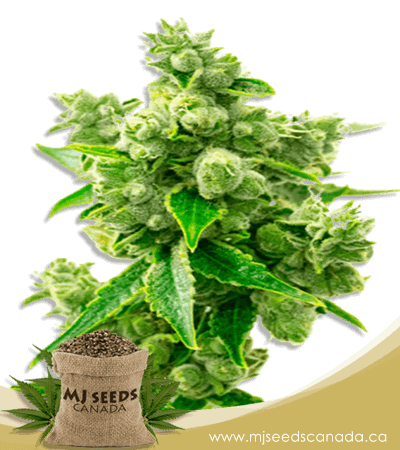
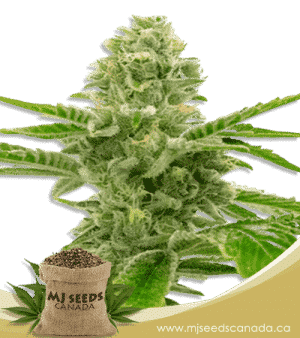
The name is literal. The colas are huge, dense and chunky, lime to olive green with orange pistils and a good coat of trichomes. The leaf to bud ratio is low, which makes trimming quick.
Big Bud is easy to grow and forgiving of mistakes, which is why it has been a first-grow favourite for decades. It stretches only about 1.3 to 1.5 times after the flip, so a four week veg gives a finished plant of 80 to 130 cm. It likes warm days, 22 to 27 degrees, and it is a hungry feeder, especially for phosphorus and potassium in the second half of bloom. It works very well in a Sea of Green setup with many small plants, or in a scrog with fewer, trained ones. Most plants finish between day 50 and day 63. Humidity under 50% in the last three weeks protects the massive colas.
Big Bud is one of the most dependable outdoor classics for Canada. In BC, southern Ontario and southern Quebec, plant out in late May and harvest in the last two weeks of September. In the Maritimes and northern Ontario, a sunny, sheltered site will usually bring it in by the end of September or the first days of October. On the Prairies, start indoors in April and move outside in late May; the fast finish means harvest often comes before the first hard frost. Wherever you grow, stake the plant or use a cage early, because rain-soaked colas can bend and break branches.
Top once or twice to create more main colas and spread the weight. A net or plant yoyos are strongly recommended from week four of flower, because the tops get so heavy that unsupported branches often snap. Remove small, shaded growth from the lower third to focus energy on the main buds. Our low stress training guide explains how to spread the canopy.
Big Bud swells dramatically in the last two to three weeks. Check trichomes from day 50: mostly cloudy with around 10% amber gives the best balance of weight and effect. Dry slowly for 10 to 14 days at around 60% humidity; the big colas hold a lot of moisture, so give them room and airflow. A two week cure brings out the sweetness.
This is Big Bud’s reason to exist. Indoors, a well fed canopy produces 500 to 650 g/m², and experienced growers in a dialled room can go above that. Outdoors, a full-season plant in the ground or a large container gives 600 to 800 g. The buds are dense and heavy, so the dried weight is high for the plant size. Our guide on cannabis yield per plant explains how to estimate your harvest.
Grow Big Bud if you want the largest possible harvest from a simple, forgiving plant, if you are growing for the first time, or if you prefer a mellow evening strain over a knockout. It suits indoor tents, Sea of Green setups and outdoor gardens across most of Canada.
Pick something else if you want the highest THC or the flashiest flavour. For a faster finish on a similar plant, Big Bud Fast Version shaves time off the bloom.
Northern Lights, one parent, is smaller and more resinous with less weight. Skunk #1 is skunkier and more energetic. Granddaddy Purple, its child, adds purple colour and grape flavour. Among our indica feminized seeds, Big Bud is the yield champion.
Big Bud is an indica dominant strain, about 80% indica and 20% sativa. It comes from Afghani, Skunk #1 and Northern Lights, so it grows short and sturdy with a calm, relaxing effect. The small sativa share adds a light, happy start.
Big Bud yields 500 to 650 g/m² indoors and 600 to 800 g per plant outdoors in a full season. It was bred for weight, and its colas are dense and heavy. Branch support is needed in late flower to stop the tops from snapping.
Big Bud flowers in 7 to 9 weeks, about 50 to 63 days from the switch to 12/12. Outdoors it finishes in late September to early October, which makes it suitable for most regions of Canada. Prairie growers should start plants indoors in April.
Big Bud usually tests between 15% and 20% THC. That is moderate by modern standards, and the effect is calm and relaxing rather than overwhelming. It suits people who want a dependable evening strain without extreme potency.
Big Bud rewards more plants, and our pack structure rewards more seeds. Every 10 and 25 seed pack at MJ Seeds Canada is buy one get one free with any strain of the same size, which makes a full Sea of Green affordable. Orders over $200 ship free, and orders over $420 add 10 free seeds.
The seeds are packed in our Vancouver, BC seed bank, where we have operated since 2009, and every batch is viability tested before it leaves. Use the cup of water and paper towel method in our germination guide and the 80% germination guarantee applies. Orders ship in plain, unbranded packaging and usually arrive anywhere in Canada in 3 to 7 business days; the $30 tracked and insured option adds one free reshipment.
Pay by Interac e-Transfer, credit card, Bitcoin or cash, and reach our team by phone, email, WhatsApp or live chat seven days a week.
| Genetics | Afghani x Skunk #1 x Northern Lights |
|---|---|
| Type | Indica dominant (about 80/20) |
| THC | 15%–20% |
| CBD | 0.1%–1% |
| Flowering time | 7–9 weeks (50 to 63 days) |
| Outdoor harvest | Late September to early October |
| Height indoor / outdoor | 80–130 cm / up to 150 cm or more |
| Yield indoor / outdoor | 500–650 g/m² / 600–800 g per plant |
| Difficulty | Easy |
| Climate | Warm and sunny; tolerates cool nights; needs branch support late in flower |
| Best for | Maximum weight, first grows, relaxed evenings |
| Pack Size | 5 Seeds, 10 Seeds, 25 Seeds |

Are You 18 Or Over?
By clicking 'Continue', you confirm that you are over 18 years old. By using this website, you agree to our Terms of Service.
Jane –
Delivery took a bit longer than the estimate but the package arrived safely.