Lemon Drop Feminized strain data sheet
| Genetics |
Lemon family sativa (parents disputed; often linked to Lemon Skunk) |
| Type |
Sativa dominant hybrid (about 60/40) |
| THC |
18%–25% |
| CBD |
Under 1% |
| Flowering time |
8–9 weeks (56 to 63 days) |
| Outdoor harvest |
Late September |
| Height indoor / outdoor |
80–130 cm / 150–220 cm |
| Yield indoor / outdoor |
400–500 g/m² / 450–600 g per plant |
| Difficulty |
Easy to moderate |
| Climate |
Temperate to warm; handles cool nights |
| Best for |
Candy lemon flavour, upbeat afternoons, first outdoor grows |
Lemon Drop Feminized at a glance: Lemon Drop is a 60/40 sativa leaning lemon hybrid that flowers in 8 to 9 weeks, tests 18% to 25% THC and yields 400 to 500 g/m² of bright green, resin-sticky buds that smell like lemon candy with a skunky edge.
A late September lemon harvest from Red Deer to Rimouski, with seeds that travel by domestic post
Sativas usually come with a warning for Canadian gardens, but Lemon Drop is one of the exceptions. Its 8 to 9 week bloom means plants in most populated parts of the country can be cut before the hard frosts and the heaviest autumn rain. The seeds are already on our Vancouver, BC shelf and travel in a plain envelope through Canada Post, so an order placed in early spring arrives in 3 to 7 business days with weeks to spare before planting. Every pack is backed by our 80% germination guarantee.
Where Lemon Drop comes from
Lemon Drop strain is one of those menu names that several growers have used, and published pedigrees disagree. The version most people mean is a sativa leaning lemon hybrid that most accounts tie to Lemon Skunk, with Sour Diesel, OG Kush or Lemon Tree genetics named as the other parent depending on the source. What the reports do agree on is the result: a bright citrus nose, a cheerful head high and a plant that finishes faster than most sativas.
The name comes straight from the candy aisle. Grind a cured bud and it really does smell like a sugar-coated lemon drop. Because the name is shared, you will also see Lemon Drop autoflowers, an indica-leaning Hood Lemon Drops and an unrelated Lemon Drip on some menus. Those are different plants; our seeds are the feminized photoperiod sativa leaning line described here.
Lemon Drop strain effects and experience
Lemon Drop comes on quickly behind the eyes and in the forehead. The mood lifts, small things become funny and attention narrows comfortably onto whatever is in front of you. In user reviews the most common words are giggly, focused and happy, and many describe it as almost entirely a head high with very little weight in the body. It fits a sunny afternoon, a hike, house chores or a creative project.
Potency sits in the moderate to strong range, so newer consumers should start small. Dry mouth, dry eyes and light dizziness are the usual side effects, and a minority of people find high doses edgy, as with most lemon sativas. Kept to a sensible amount, it is one of the friendlier daytime strains in this family.
Lemon Drop flavour, aroma and appearance
The aroma leads with sweet lemon candy and fresh zest, then a faint sour diesel and a skunky, earthy base that keeps it from smelling artificial. On the inhale the smoke is tart and sugary; on the exhale, lemon peel and a touch of pine. Limonene usually leads, with terpinolene, caryophyllene and myrcene behind it. A good slow cure is what turns sharp citrus into the rounded candy note the strain is named for.
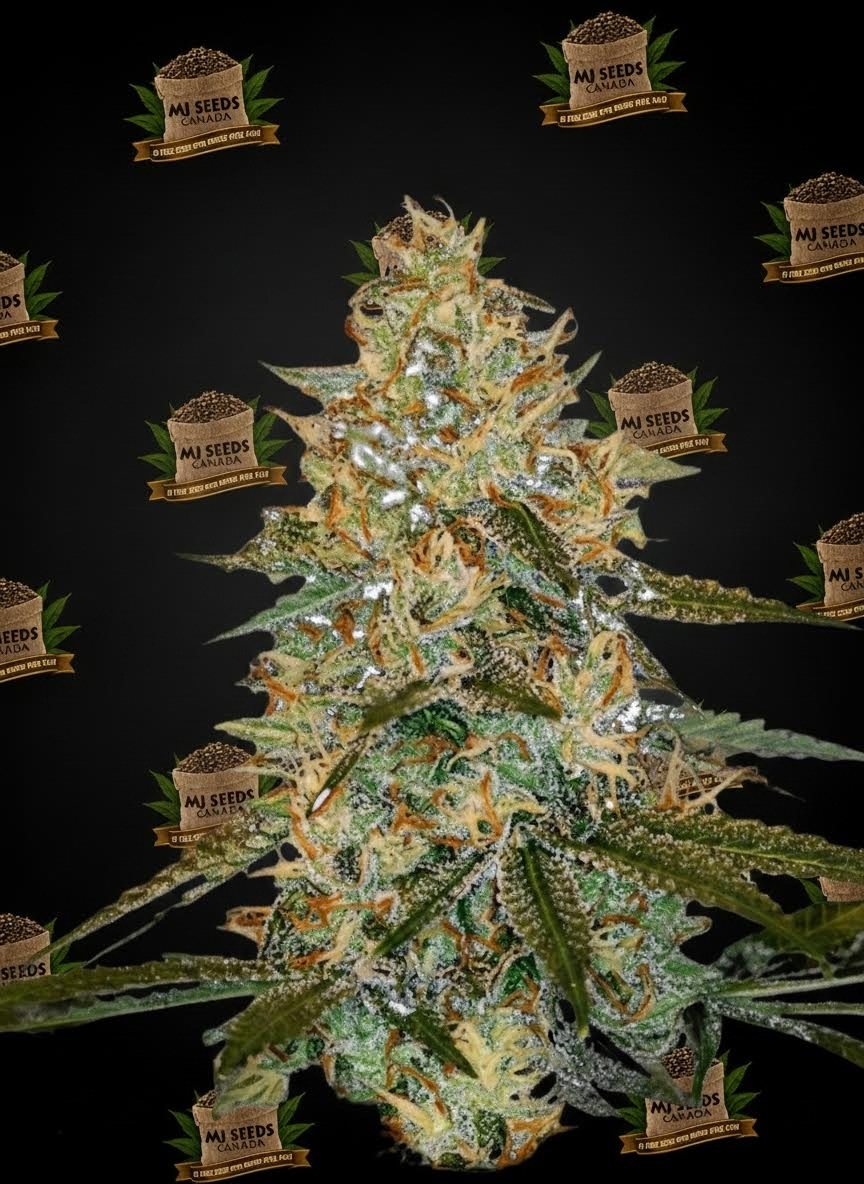
The buds are medium sized and slightly elongated, lime to bright green with orange pistils and a sticky, glittering trichome coat. They are firmer than a pure sativa but more open than an indica, which helps them dry evenly and shrug off damp weather.
Growing Lemon Drop in Canada
Indoors
Veg for three to four weeks and flip at around 35 cm. Lemon Drop stretches about 1.5 to 2 times, finishing between 80 and 130 cm in most tents. Keep temperatures between 23 and 27 degrees with lights on and hold humidity near 50% in early bloom and 45% in late bloom. The plant is easy to feed and tolerant of small mistakes, which makes it a good sativa for a first indoor run. A carbon filter is advisable from week four because the citrus aroma becomes strong.
Outdoors, by region
This is where Lemon Drop shines. On the BC coast and in the Okanagan, plant out in late May and expect a harvest in the last two weeks of September. Across southern Ontario, the Ottawa Valley, southern Quebec and the Maritimes, a late September or very early October harvest is realistic in an average year. On the Prairies, start seeds indoors in the second half of April, harden off in late May and plant in full sun with shelter from wind; Calgary, Regina and Winnipeg growers can finish by the end of September in a normal season. Our outdoor cultivation guide covers soil and container choices for short summers.
Height and training
Lemon Drop responds well to topping and to low stress training. Top once, train four to eight branches into an even canopy and thin interior growth at the flip. Outdoors, a single topping and a sturdy stake are usually enough.
Flowering and harvest cues
Most plants finish between day 56 and 63. For the brightest effect, harvest with cloudy trichomes and only a few amber heads. Dry slowly at 60% humidity for 10 to 14 days and cure for at least three weeks; the candy note keeps improving for a month or more.
Lemon Drop yield indoors and outdoors
Indoor canopies return 400 to 500 g/m² with good light. Outdoor plants in 50 to 80 litre containers or in-ground beds give 450 to 600 g each, more in a long, hot season. The resin is fragrant and makes a lemony rosin or dry sift that holds its flavour well. Outdoor plants in northern gardens tend to land at the lower end of that range, while a Fraser Valley or Niagara plant with a long, sunny August can push past it.
Who Lemon Drop is for, and who should pick something else
Lemon Drop feminized seeds are a strong choice for growers who want a daytime strain with a clear lemon candy flavour, for anyone planning a first outdoor garden in a region with a modest season, and for indoor growers who want a sativa that will not outgrow the tent. It is forgiving enough for beginners who have read up on the basics.
It is less suited to people who want a heavy, sleepy evening strain or a deep savoury flavour. If you need a very short plant for a closet grow, a compact indica will fit better.
How Lemon Drop compares
Lemon Skunk is the most commonly named ancestor: a little more skunk, a little less candy and a similar bloom. Super Lemon Haze is more electric and needs longer to finish. Pink Lemonade adds berry to the lemon, and Lemon Pound Cake brings a softer, bakery-sweet citrus. You can compare other bright daytime plants in our sativa feminized seeds.
Frequently asked questions about Lemon Drop
Is Lemon Drop a sativa or indica?
Lemon Drop is a sativa dominant hybrid, around 60% sativa and 40% indica. Its effect is mostly in the head, giggly, focused and upbeat, with little body heaviness. Some menus label indica-leaning lemon crosses with the same name, so check the lineage.
What does Lemon Drop strain taste like?
Lemon Drop tastes like lemon hard candy: sweet, tart citrus with fresh zest and a light skunky, slightly diesel finish. A cure of three weeks or more makes the candy sweetness more obvious.
What are the effects of Lemon Drop?
Lemon Drop’s most reported effects are giggly, focused and happy. It lifts the mood quickly and keeps the mind busy, so people tend to use it in the afternoon. High doses can cause dry mouth, dry eyes or dizziness.
What are the parents of Lemon Drop?
Lemon Drop’s exact parents are disputed. Most accounts link it to Lemon Skunk, with Sour Diesel, OG Kush or Lemon Tree named as the other parent depending on the source. The shared traits are a lemon candy aroma, a sativa leaning high and an 8 to 9 week bloom.
Why Lemon Drop suits growers who want a bright afternoon strain that beats the frost
A first outdoor garden often turns into a bigger order than planned, so the thresholds are worth knowing. Spend more than $200 and shipping anywhere in Canada is free; pass $420 and ten free seeds come in the same envelope. The 10 and 25 seed packs of Lemon Drop are buy one get one free, which leaves room for a second strain to grow beside it.
We have shipped from Vancouver, BC since 2009, in plain packaging, with delivery in 3 to 7 business days. Use the cup of water and paper towel method in our germination guide, and remember every Lemon Drop pack is covered by our 80% germination guarantee. For an extra $30, tracked and insured shipping includes one free reshipment if anything goes wrong in transit.
Interac e-Transfer, credit card, Bitcoin and cash are all accepted. If you want help timing a Prairie or Maritime planting, our team is on phone, email, WhatsApp and live chat every day.







Reviews
There are no reviews yet.